Problem
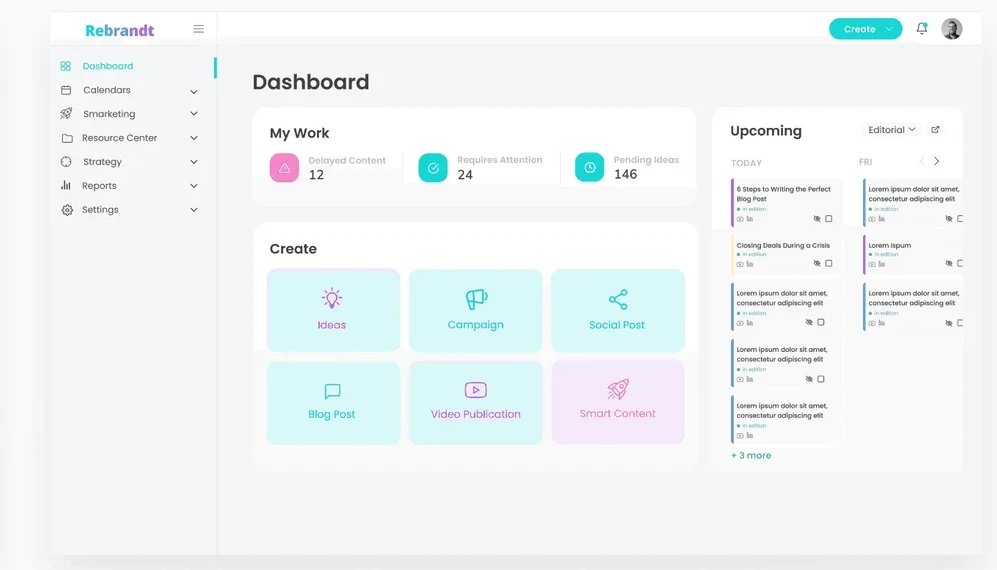
To try Tip Calculator, a prospect had to fill out a Typeform, wait on the sales inbox, have an account created by hand, subscribe to the parent platform, and then subscribe again to the product they came for. I designed the self-serve flow that replaces that path in two weeks: accounts create themselves, and the manual client-creation step is designed out of every future subscription.
Before: manual, sales-dependent
After: self-serve, automated
Tip Calculator takes custom tip rules and point-of-sale data and automates how tips get calculated and split among staff. The product was valuable; the path to it was expensive:
- High support volume. New clients had to talk to sales before they could subscribe, which buried customer success in inquiries a form could have answered.
- Missed revenue. Only existing Today Platform clients could subscribe, which cut off everyone else.
- Compounding dependency. Platform onboarding was a prerequisite for the calculator, and every future add-on would inherit the same burden.
Process
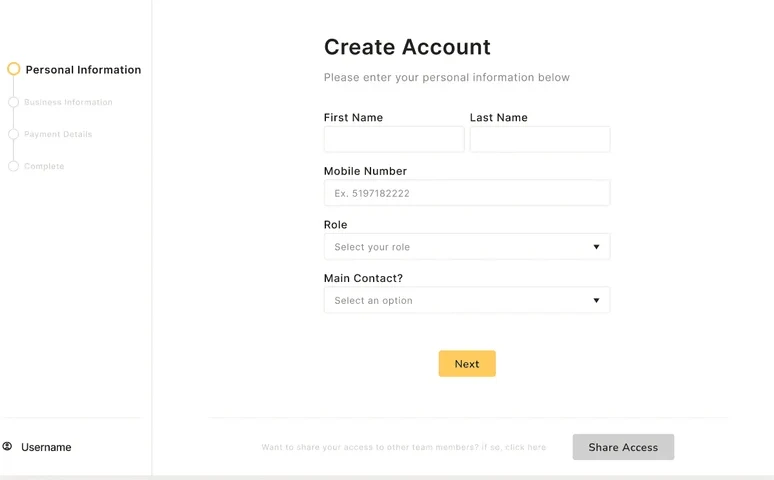
Our sales reps were already creating client profiles by hand in an internal admin tool. I translated that backend process into the onboarding form itself, so users create their own profiles with exactly the information the backend needs, plus the data marketing wanted for lead conversion. Two details did extra work:
- A progress bar sets expectations across the four steps, so users know how much is left before they commit.
- Share Access handles the case where the person subscribing isn't the right person to finish. They can hand the flow to the business's primary contact by email, mid-process.
Internal client-creation fields → Self-serve onboarding
- 1 · Personal informationFull nameMobile numberAddress
- 2 · Business informationBusiness nameBusiness addressOperating countryVerticalPayment then completes the flow; no sales touch anywhere.
Design
Personal information, business information, payment, done. Access sharing is available at every step, and the journey starts on the public pricing page.
Outcome
The flow shipped to engineering as an interactive prototype with handoff documentation, signed off by product, marketing, and brand.
The full story
Every artifact, decision, and iteration lives in the deck.
Opens in Figma, shared under the same NDA terms as this page
View the full deck · 16 slides · Figma